Our Story
Fund raising is always a difficult one! Simon and I worked flat out for many years in order to save for our trip.That money ran out after the first few years on the road, by which time we knew we were hooked. We needed to see and experience more of the world, in a way we'd not imagined before we'd left. With a decision to continue made, we looked to sell off the possessions we had in the UK. With the help of family we sold most of what we owned, furniture, cloths, jewelry. The last big step was our decision to sell our house. This, for us was massive. Our home was our bolt-hole, our sanctuary and our last sense of financial security and normality. When it sold we were officially nomads. It was as scary as it was liberating. It also meant we could travel for a few more years. Fast forward a decade and that money has long gone. Today we face a daily/weekly struggle to find ways of paying the bills, the fuel, the accommodation and the transportation. But the reality is, that most people face that struggle, most people want more than their current economics will allow. The difference is, that instead of wanting a better car, a snazzier watch or a more fashionable pair of shoes, we want another country and to ride another few miles down the road.
Money makes The World Go Round
There's no getting away from the fact that the money side of things is always a big concern for Simon and I. We support ourselves financially having sold all of our worldly goods. It's not the glamorous, easy or exciting answer many expect to hear after asking the question "how?"
I can't afford it
Over the years we've spoken to thousands of people around the world and discussed their ambitions, goals, dreams and hopes for their futures. Where they want to be, the mountains they want to climb, the body-weight they want to loose and sometimes, simply the better future they hope to provide their families. We've all have desires and wants that remain unfulfilled. Wanting to go an a big bike journey is just another desire: It's also possible.
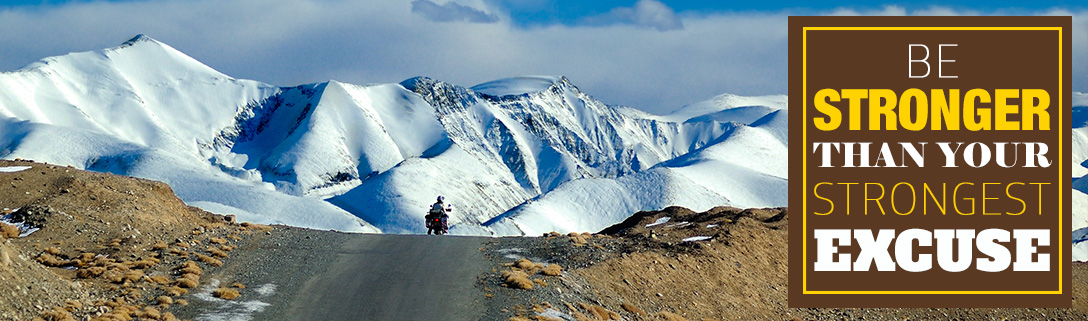
 If it's important to you, you will find a way. If not you will find and EXCUSE.
Among our global conversations, especially in the developed world, one comment raises it's head more than any other and it sounds like this "Oh, I'd love to, but I'll have to wait unitl I can afford it". Here's the kicker, most people can't afford to simply buy the happiness they crave. If you want to embark on a longer ride, either around your country or around the world and you think, or know, it will make 'you' a happier 'you', then there are ways to make it happen. There is no 'one-size-fits-all' solution but there are more than a few options and techniques that you can use to begin to raise the funds you need before you set out.
The Big Picture - Overviw
 You're busy, I get it, so if you don't thave time to read to the bottom of this page here's the 'snap-shot' of options to raise the cash.
Strategy #1: Curtail non-essential spending and use the saved money to pay for your ride.
Strategy #2: Take out a loan. Interest rates are the lowest they've been for years.
Strategy #3: If your trip is less than a month, use a credit card to pay for your trip, and apply for a new Credit Card that offers either no or very low rates when you transfer a balance from your original card. Some cards are now offering zero rates on balance transfers for the first 36 months.
Strategy #4: Sell your stuff. De-clutter your life and sell items that you don't use on a regular basis and use those funds to pay for your trip. Larger stuff like furniture, bikes and vehicles are the easiest to sell tvia garage and yard sales. For other items there are specific online sites that can help.
Strategy #5: Decide if your journey can appeal to an audience and use sites like crowd funding to raise cash. Remember, you should be able to offer your patrons something of value at the end of your trip. Maybe a book, a video or something that improves lives.
Strategy #6: Take a second or a third job, work your arse off and raise the money the old fashioned way. Hard work always pays.
Strategy #7: Find and motivate a corporate sponsor to fund your journey. Almost unheard of but not impossible. The downside is you will have to hand over a part if not all your journey to that sponsor. They are going to want you to earn every pound or dollar they provide.
Sponsorship - Overview
We still find that 'sponsorship' is a tough nut to crack, and after 450,000 miles, we both feel extremely privileged to have the support of firms like Touratech, SENA, LXV Outdoor, Continental Tires,REV'IT!, and many others. Remember, no matter how tremendous your goals maybe, or how accomplished you are, no one owes you a thing!
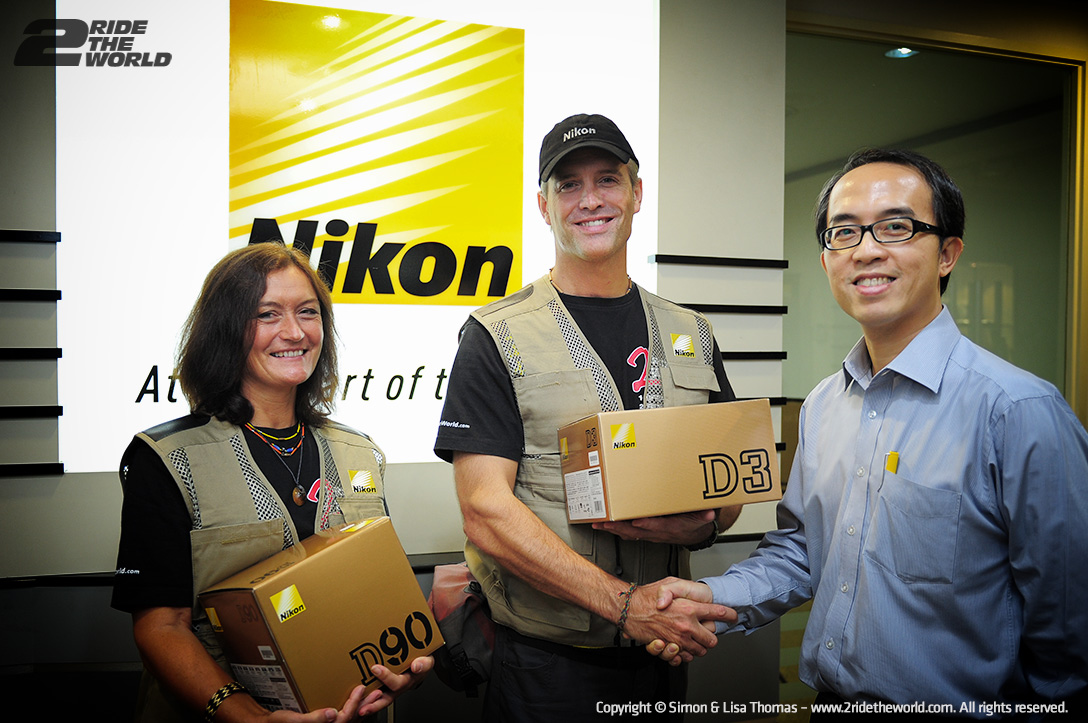
Sponsorship is an interesting arena and needs to be understood keenly. Our first five years on the road were without any kind of support. We'd sold what we needed to, kissed family and friends goodbye and rode out into the night, without fanfare. Back then (2003) there was no Facebook, The term ‘Adventure riding’ had only just been coined (by Chris Scott) and it was another two years until Google Maps would go live. The journey was and remains to be, for us.
We wanted to live deep and suck out all the marrow of life.To quote Henry David Thoreau
To find and keep sponsors of any kind, financial or otherwise, is extremely difficult, if not impossible. Even with our popular website, social media channels and our proven track record, we're working harder today than ever to obtain and retain the support of sponsoring companies.
For the firms that support us, we supply high quality media both still and video, social media content, along with info, product reports and reviews and more. Truth be told, we only know of one ‘professional’ round the world motorcyclist who has been given cash in the form of sponsorship and he's been doing it for 26 years!
Our advice.
Firstly, think long and hard if you really need sponsors.
Let me tell you a story of a real conversation that happened a few years ago. At a presentation we chatted with an audience member who was planning a ’big trip’. He’d specifically come to the show to ask our advice on sponsorship. He explained that he given his planned ride a name, created an identity, and spent time designing a professional sponsorship pack. He'd produced a letter of introduction, and even drawn up a press release. He’d written half a dozen times to an outdoor company who manufactured a specific camp stove. All this without a result.
“What am I doing wrong” he’d asked “can you help me get this stove”? he’d asked Simon desperately.
“What do you do for a living?” Simon asked.
“Oh, I’m a lawyer”
“Do you make good money?” Simon continued
“yeah, I Make about $130 an hour” our new friend stated proudly.
Simon paused before giving this sage advice...
“you need to just buy the stove! You’ve already spent 4-5 hours creating the material you’ve sent to the stove manufacturer right!” Our friend nodded in agreement.
“The stove you want cost $130 in the store. So, the minute you spent more than an hour trying to get it was costing you. You’ve now spent $650, which is what your time is worth, trying to get a $130 dollar stove given to you. That doesn’t make sense”.
Simon could have delivered his words of wisdom more gently, but it wouldn’t have altered the validity of his advice.
Sponsorship - How To Connect & Present To The Big Companies.
- You can try to contact anyone and everyone that you think may be interested for support, but bare a few things in mind, big companies get hundreds of requests per week from different people, organizations and charitable events all doing 'interesting things' and all asking for ‘something’. So, what makes you or your project significanlty different?
- You need to have a thought-out angle, something that makes your project stand out. You need to represent yourself professionally. Don’t expect ‘funds’ (money) it’s almost unheard of. It’s more likely you might get a small discount for parts etc. Then again, they’ll expect something in return, normally quality media exposure, branding on the vehicle and lots of positive endorsements. Motorcycle dealerships have relatively small marketing budgets and again may only give you a small discount on parts and labour.
- Best advice is- if and when you are approaching a company/organisation etc – Just have a well thought-out approach, present a ‘paper presentation’ laying out what you’re looking for and exactly what you’re offering in return. i.e. exactly what media and branding opportunities do you have lined up that they will benefit from.
- Don’t mention any of the ‘maybes’, only stuff you know is confirmed. Also, remember to make sure you follow through on any obligations you promise to meet. So many of the turn-downs you’ll receive aren’t’ because what you’re planning doesn’t have merit, but simply because the firm has been ‘bitten’ before, handed over equipment or goods on the promise of good PR, only to get nothing. If you receive any kind of sponsorship, you need to make sure you can keep your end of the bargain or it just makes it harder for the next guy.
- We write short articles for a few magazines and sell photos. None of this brings big $$, but these are the few dribs and drabs that we eek out. You’d be surprised how far you can make a little go if you travel slowly.
Travelling quickly means travelling easily, without holdups and generally means having access to convenience. In most parts of the world labour is cheap but it’s always convenience you’ll pay for and you’ll pay high. To remedy a problem, to make things move faster and to travel with comfort and convenience will always ‘cost’. Hence travelling quickly or to a tight timeframe is going to cost you more than traveling slowly.
Simon & I live very frugally – we live in a tent 80% of our time, buy our own food from local markets and cook for ourselves. (unless you are in countries like Thailand or Indonesia where street food is fantastic, fresh and cheap!) our biggest costs are bike parts and fuel, and of course transportation when we're shipping to another continent.
Sponsorship - The Right Approach
If you decide that securing sponsorship is the way to go, you'll need to make sure your approach is right. This means that you need to be able to explain exactly what you're looking to receive from any sponsor. You also need to be able to provide each sponsor with a simple but concise set of sponsoring alternatives. Before you approach any prospective sponsor, you will need to have decided if you are asking them for equipment support, such as boots, helmets or an upgrade part for your bike, like heavy duty suspension, or if you're asking them for cash.
When it comes to requesting companies for money, you need to be extremely efficient and present your argument and your offer in an easily understandable manner. You need a game plan. Don't start an email or go into a meeting half cocked. Your job is to sell yourself and your project powerfully. Just passionately extolling the virtues of your journey, all your personal ambitions, how great it's going to be and how far you'll travel, more than likely isn't going to get the job done.
If you want a real chance at success then create a multi-page sponsorship info pack, laying out your credentials, your media coverage, and your goals. Be concise, these are busy people. Go to any meeting looking prepared with printed hard copies.
Sponsorship - Provide Easily Understandable Sponsor Options
The prospect needs to know the broad outlines of what you'll accomplish and what they will get back from their investment. They also need to understand their risk. Differing sized companies have differing budgets, so asking your local bike dealer for the same amount of cash as a huge multi-national will lead to disappointment. Instead create a multi level plan, which offers differing levels of investment and subsequent returns. Then the prospect can decide where their comfort levels are and how much to invest. They also understand exactly what you've promised in return.
We offer 5 Corporate sponsor plans: see here – http://2ridetheworld.com/18935-2rtw-2015-sponsorship-program/
So think about: Do you actually need-sponsored equipment or do you think you do because you feel it will offer some kind of recognition to you and perhaps validate your journey?
Sponsorship - Q & A
Here’s a few questions we get asked every month. We’ve answered these emails in line.
Q. You have a decent amount of sponsorship; has that been easy to get?
A. Absolutely not! Its funny we get asked that a lot. But all of the equipment sponsorship we have obtained has been though chance meetings. We rode the first 5 years of our journey without any tangible support. It was only after we had put our money where our mouth was, literally, that any organisations were even interested. Most big companies are approached on a weekly basis and are being asked to provide money or free equipment in the aid of some ‘cool’ project or another. Its dam near impossible for them to allocate the man-hours or energy to research which projects have real commercial merit and so a blanket answer of ‘no’ is the norm.
Q. What are the positives and negatives of being sponsored; are there any negatives?
A. We think we are extremely lucky with our equipment sponsors. Each and everyone has been obtained due to a personal ‘face-to face’ connection. Therefore, our sponsors seem more like friends and there is a mutual respect. The positives are obvious – equipment sponsorship means that you can spend more of your own hard saved cash on the travelling part. It’s also fantastic to know that as a piece of gear plays up, chances are the sponsor is going to ship you a replacement. That piece of mind alone is worth a small fortune. We’ve not experienced any negatives. But we know of more than a few cases where people have literally handed over their itinerary and their journey in order to leverage sponsorship. At that point the journey stops being yours.
Q. What advice do you have for anyone looking to get sponsorship?
A. First off, represent yourself professionally. No company is going to hand you money or equipment if your project does not have a clear identity, a set of goals and a clear understanding of what they are going to get in return for handing you some new shiny piece of equipment.
Identify what makes your journey different. There are literally hundreds of people on motorcycles going around the World right now. Do not bash potential sponsors over the head with the ‘charity card’. Lets face it, if you really wanted to raise 50 thousand dollars, you wouldn’t be doing something that costs 20 or 30 thousand in the first place.
Be specific in exactly what you are asking for and why. We asked Hilleberg the Tent Maker why they chose to sponsor us. They answered, “ You purchased your first tent and when you approached us you told us specifically the tent you wanted, why you wanted it and what you expected it to do. This told us you were serious and that you hadn’t simply sent out a blanket email to a dozen tent manufacturers in the hope of a freebie”.
Q. Is it difficult to satisfy a sponsor?
A. No, as long as you haven’t over promised in the first place!
Q. How do you raise funds for traveling and survive on the road for so long?
A. We have sold everything. Today there is no home, no cars, no jewellery, no wardrobe of clothes (Simon and I have one change of clothes), and no pensions. We’ve literally liquidated everything we’ve ever owned and worked for. It’s terrifying at our ages (this year, 2017, I am 55 and Simon is 47) and liberating all at the same time depending upon how challenging the day has been.
We typically don’t do the ‘tourist thing’. On the coast of eastern Australia, we’d have loved to have joined the throng of tourists and spend the day snorkeling around the Great Barrier Reef. But we didn’t – couldn’t. Money spent on this type of experience is literally money we then don’t have to spend on fuel. It’s a simple and sometimes cruel reality.
Donations
As you travel you will find wonderful individuals that want to get involved with you and your journey directly. Some will want to support you with the occasional donation. Just bare in mind that donations should ever be expected and that people have their own dreams to follow. That said, setting up a PayPal account is easy and you can have an account set up in minutes. See: PayPal.com
Online Revenue
We're both pretty entrepreneurial and creative, however the selling of items, such as calendars, photos etc. is not a real money-making enterprise and in no way brings in enough to support us on the road, but it does enable us to buy a few visas here and there.
More and more people are generating revenues, large and small via the myriad of online resources and POD (Print On Demand) services. So, get creative and think outside the box.
As a traveller, you'll collect experience, video footage, photos and an insight into the human condition that has real value, both personally and financially.
Today there's a vast selection of online channels and resources that can help you turn your media into revenue. Here's few to get you started.
Sell your photos:
- alamy.com - Alamy offers photographers an unprecedented 50% royalty on images sold through its site.
- shutterstock.com - Shutterstock has paid out over $350 million to its contributor and allows photographer sto retain copyright. They also pay up 30% of the sale price of your photos.
- iStockphoto.com - iStock Photo has been around for a while and they pay 15-45% royalties for your images, depending on whether you sell via them exclusively. They also offer great forums , which can be a good place to learn how it's done if you're just getting started.
- photoshelter.com - Photoshelter offer a great platform that allows you to use their eCommerce platform and sell you photos through your own website. The real benefit here is that you retain full control of how your photos are displayed and importantly the price they sell for.
Create Products
Rather than just selling your photos, you can now also sell a huge variety of products from mugs and cushions to iPhone cases and slippers, each with your logo or photo printed onto to it. Done right and with some added social media advertising this can provide you a monthly revenue stream. I've listed a few of the main site below to get you started.
- FineArtAmerica.com - FAA sells a huge variety of art and photography items and ships world wide. You can print your images onto phone cases, greeting card and large art canvasses which they sell and pay you a commision.
- zazzle.com - zazzle offers one of the largest selections of products range on the internet and off their sellers to customize the look and feel of each online shop front. They also offer discount on bulk buying. With zazzle you can print your images on anything from clothing and accessories to electronics and office furniture.
- Redbubble.com - These guys are the new kids on the block and offer a huge selection of clothing products options Fancy creating a rucksack with your logo and images emblazoned across it. This could be the site for you
If you need a little inspiration then checkout a few of the links below to see how we're doing it.
 2 Ride The World - ADV Photo Calendars online Looking for some ADV inspiration for your work or home?
2 Ride The World - Online Print Gallery & Photo Service Perfect for personal and commercial needs.
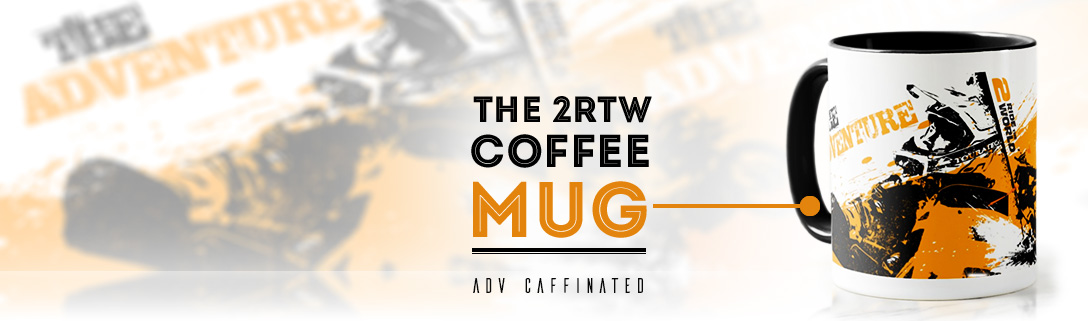
New Skills Equal Revenue
At the end of the day it’s just life, except it's life on the move.
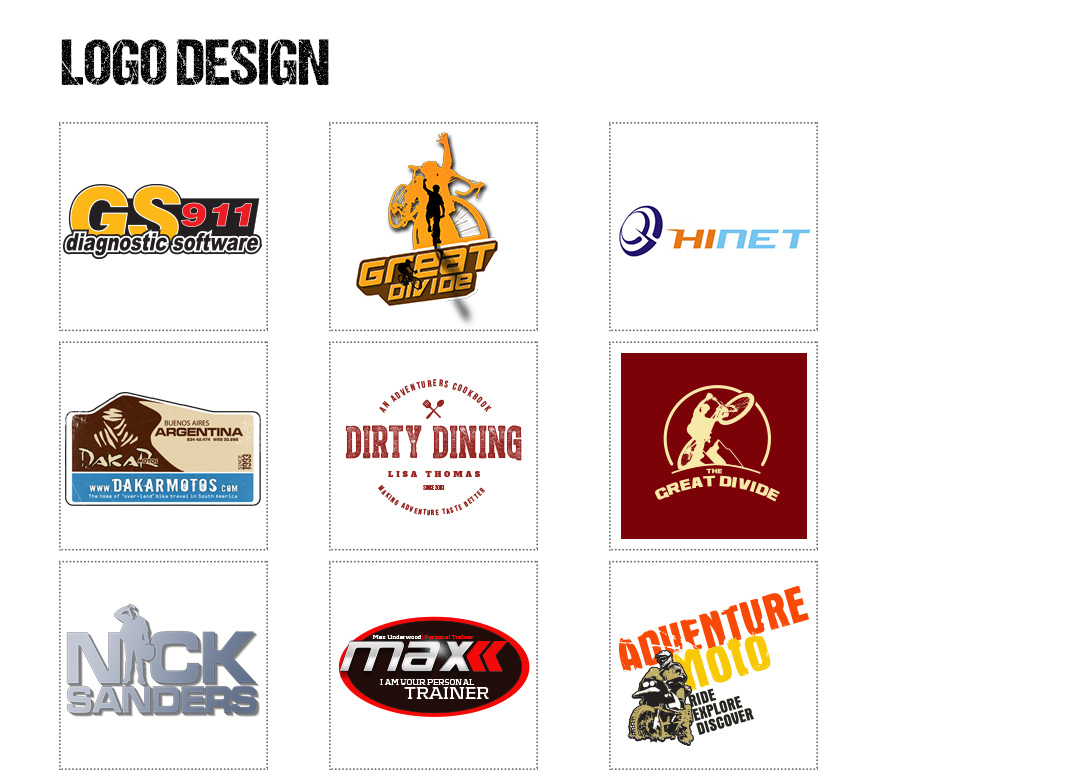
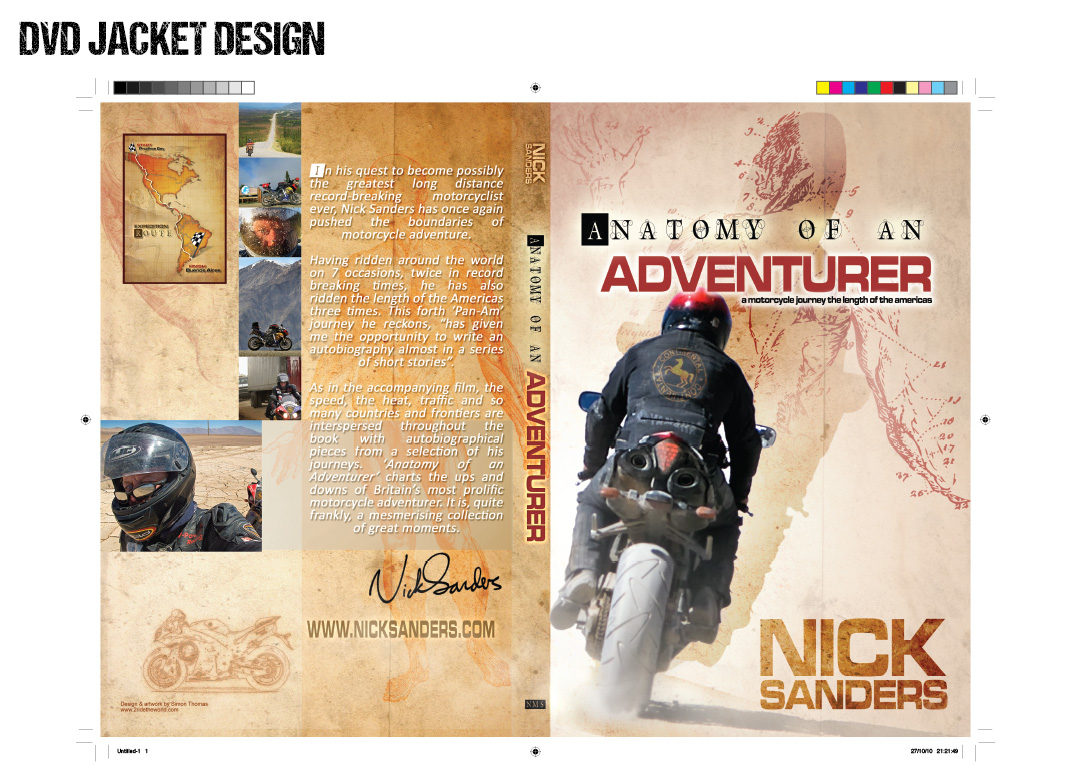
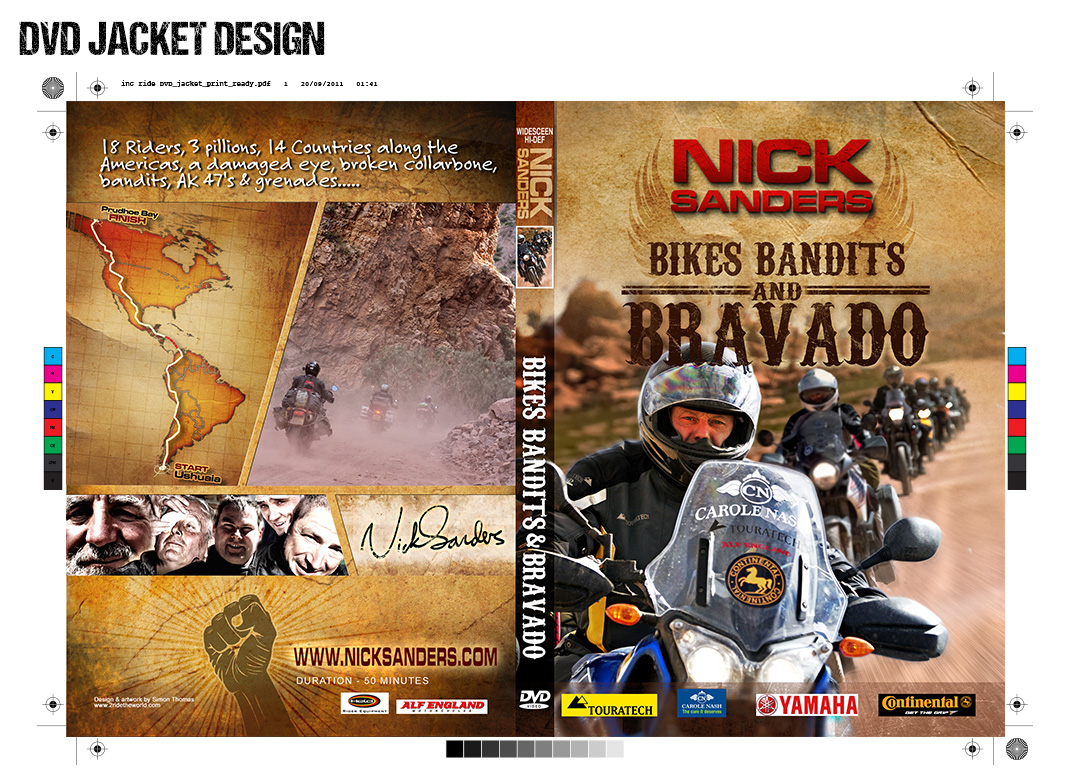
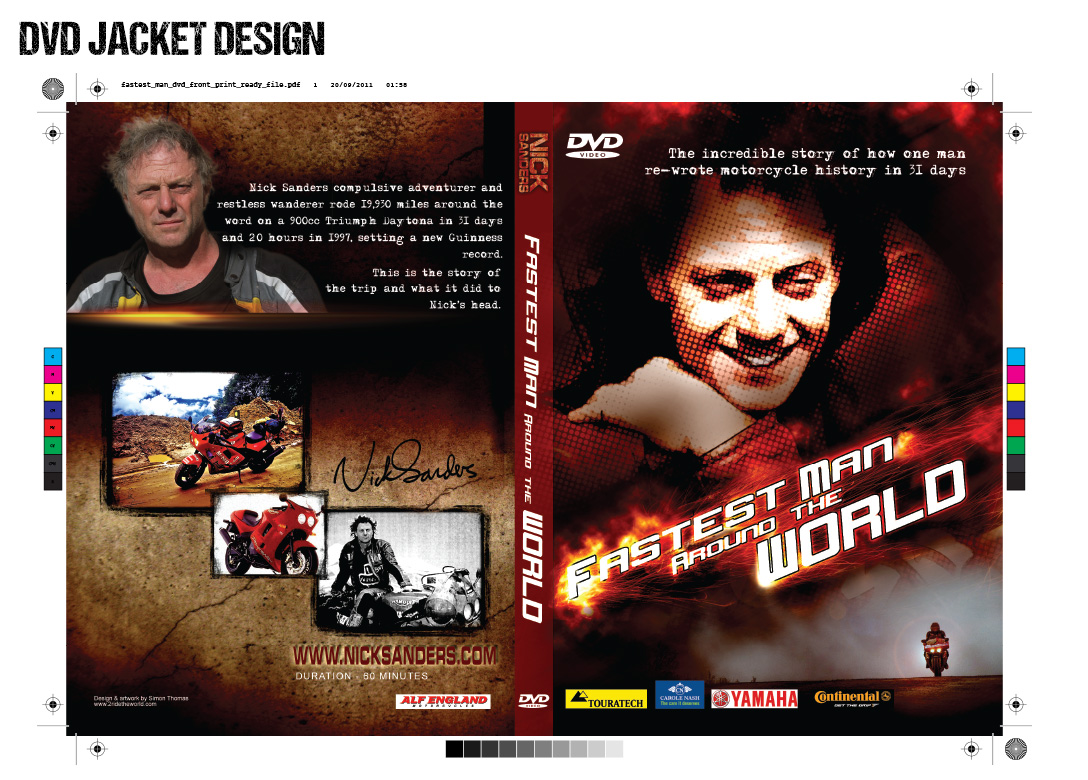
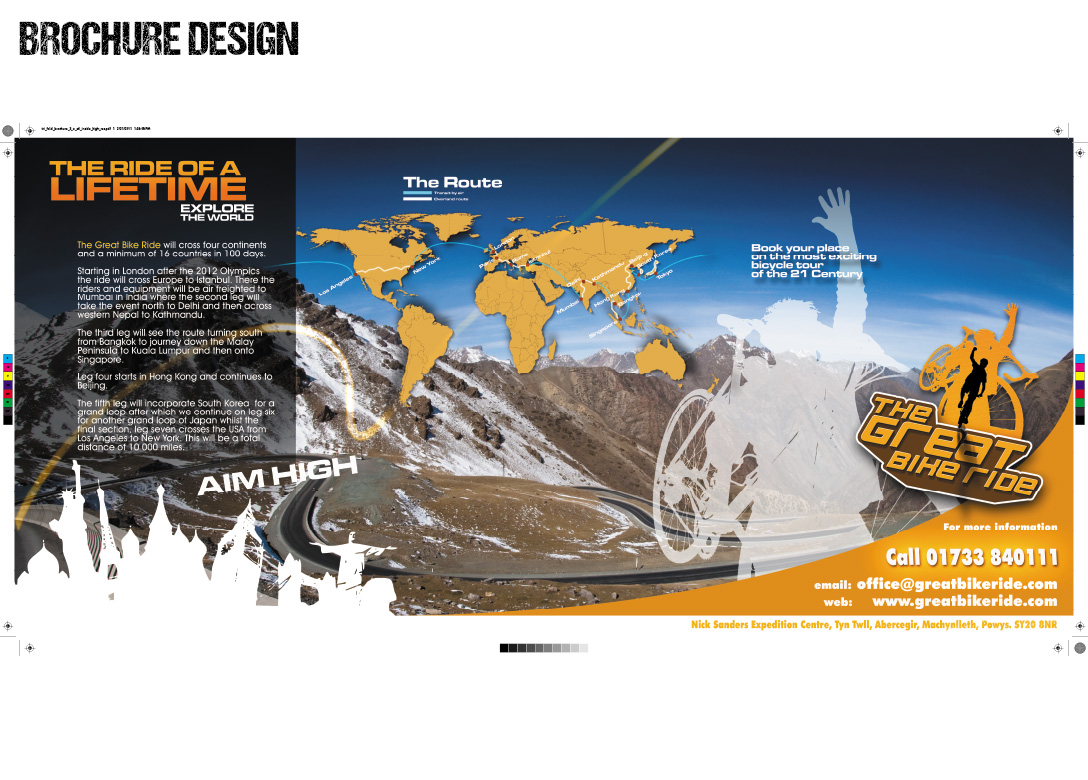
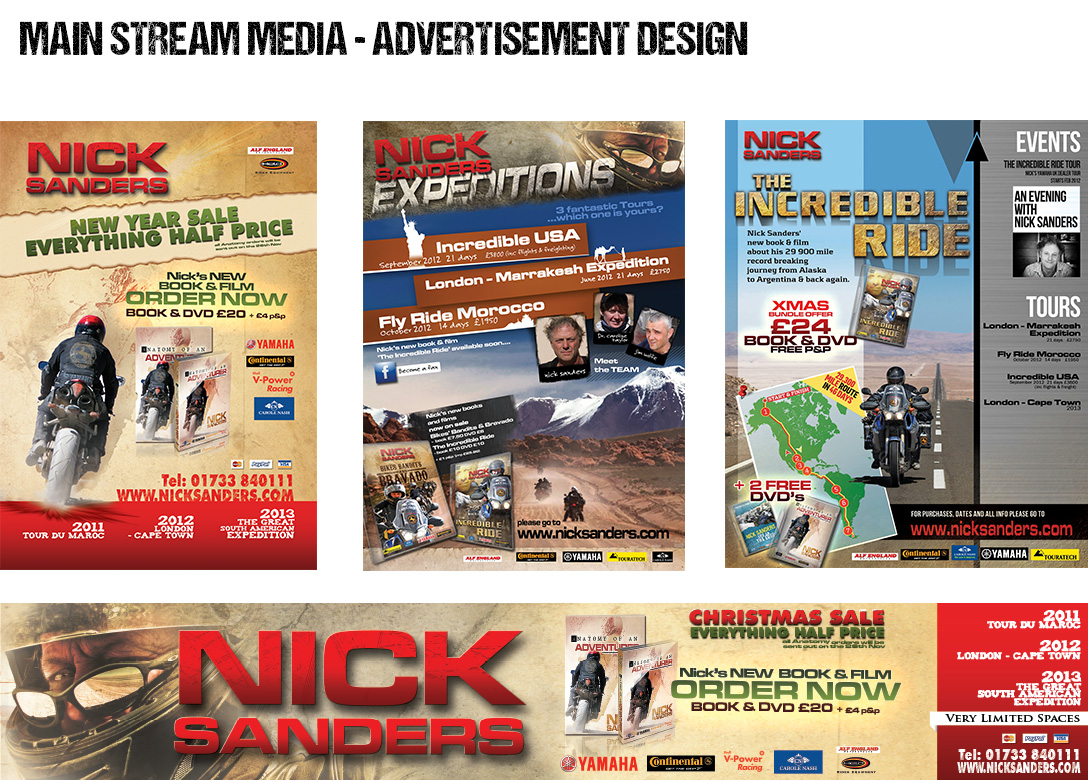
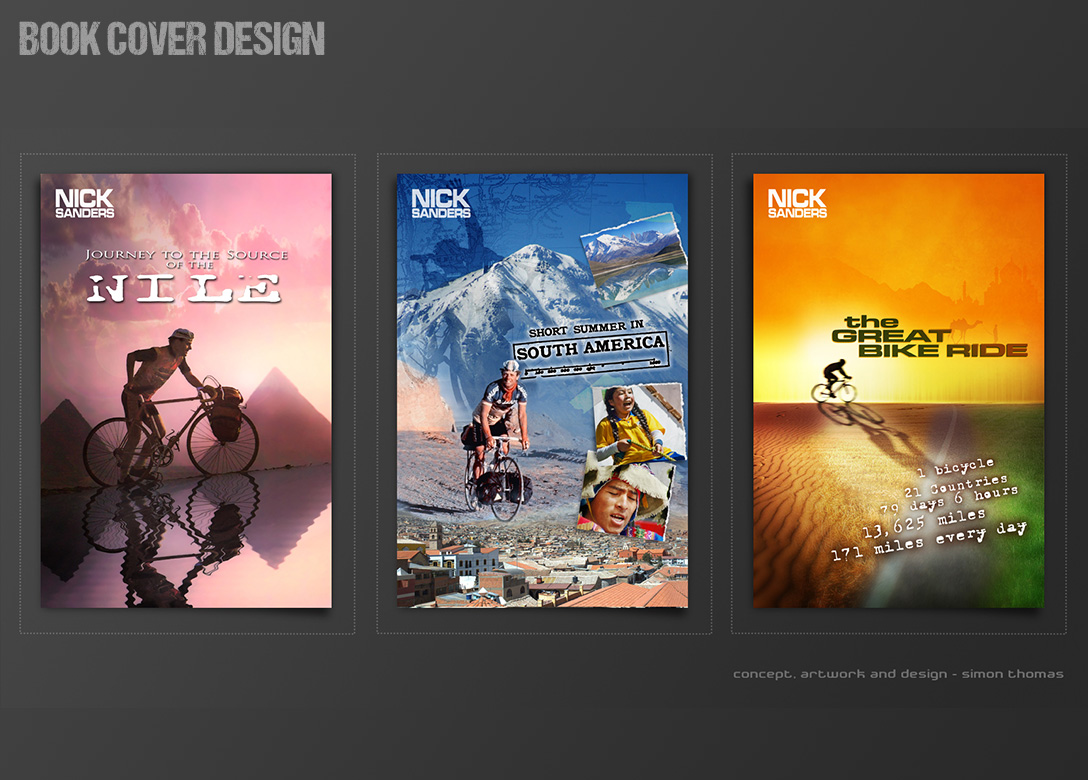
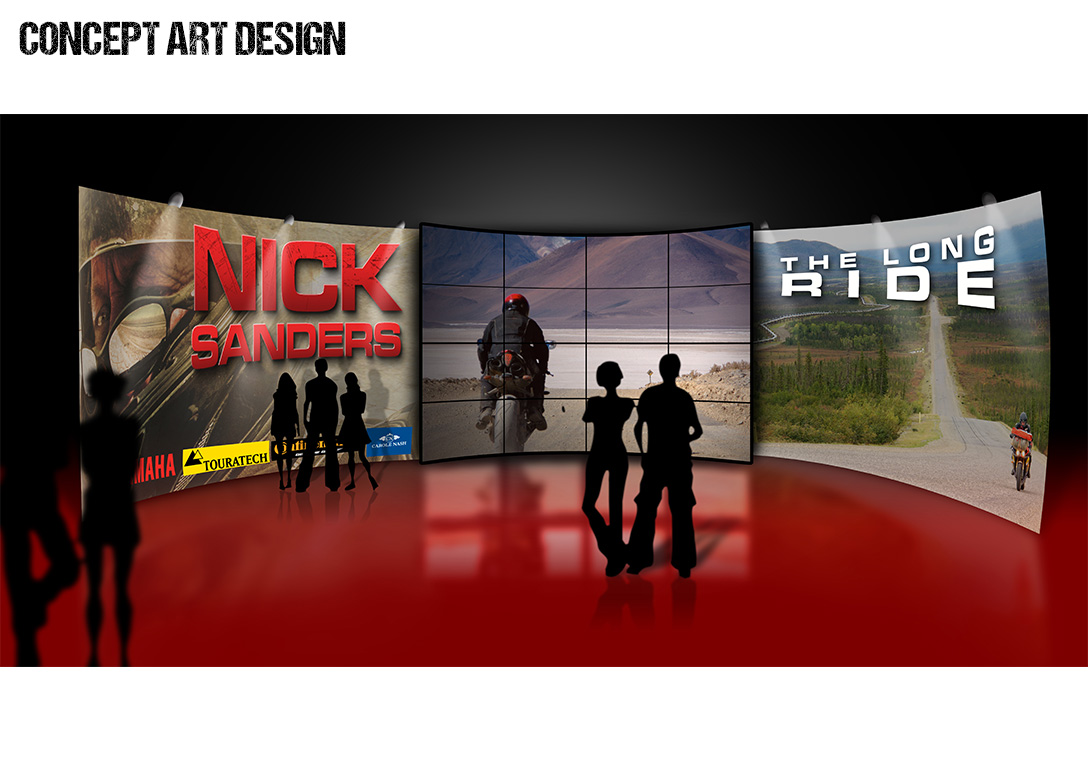
Both Simon & I have learnt new skills and become proficient doing things that were alien to us before the trip. Simon and I are now professional photographers but prior to the trip Simon had never taken a photo let alone owned a camera. We’ve learned to design and build websites. Simon’s design skills have been put to good use and over the years he’s produced media and created artwork for clients around the world. Simon has now earned a reputation as a graphic designer and layout professional. You can check out some of his work below:
 Check out some of the graphic design work we have produced.
Let us know your thoughts in the comment section below.

 Jabs
Jabs
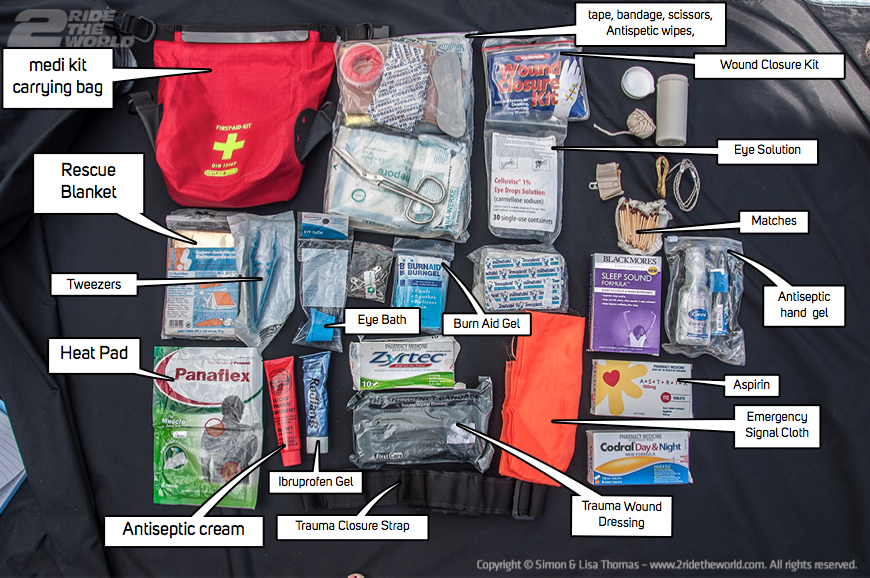
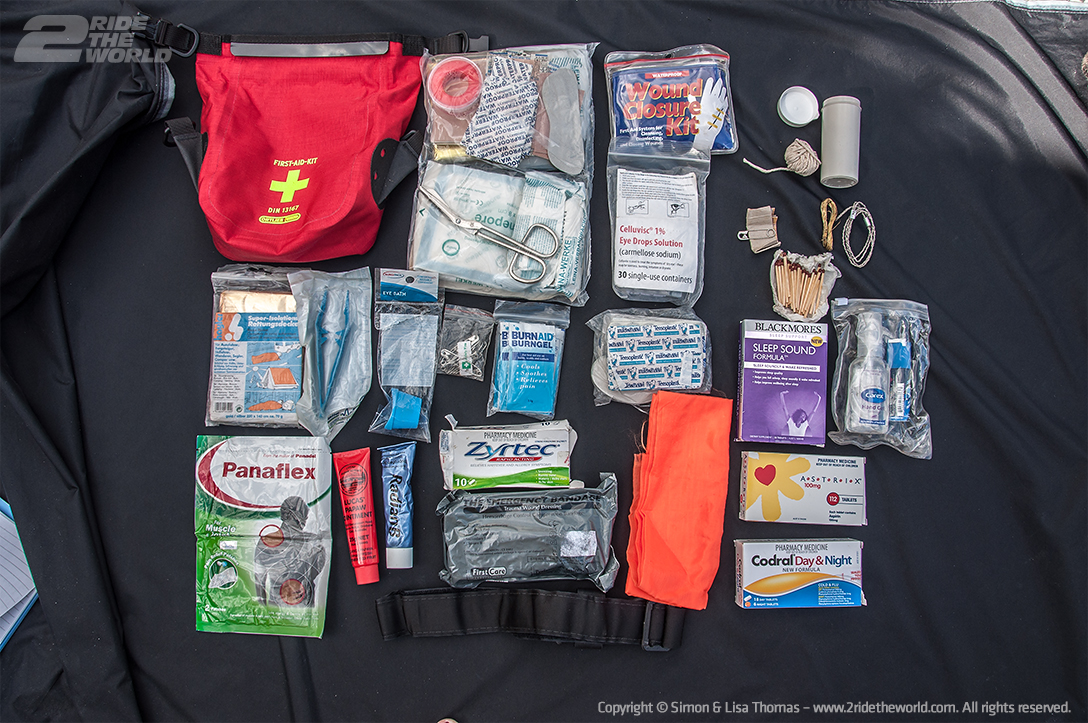
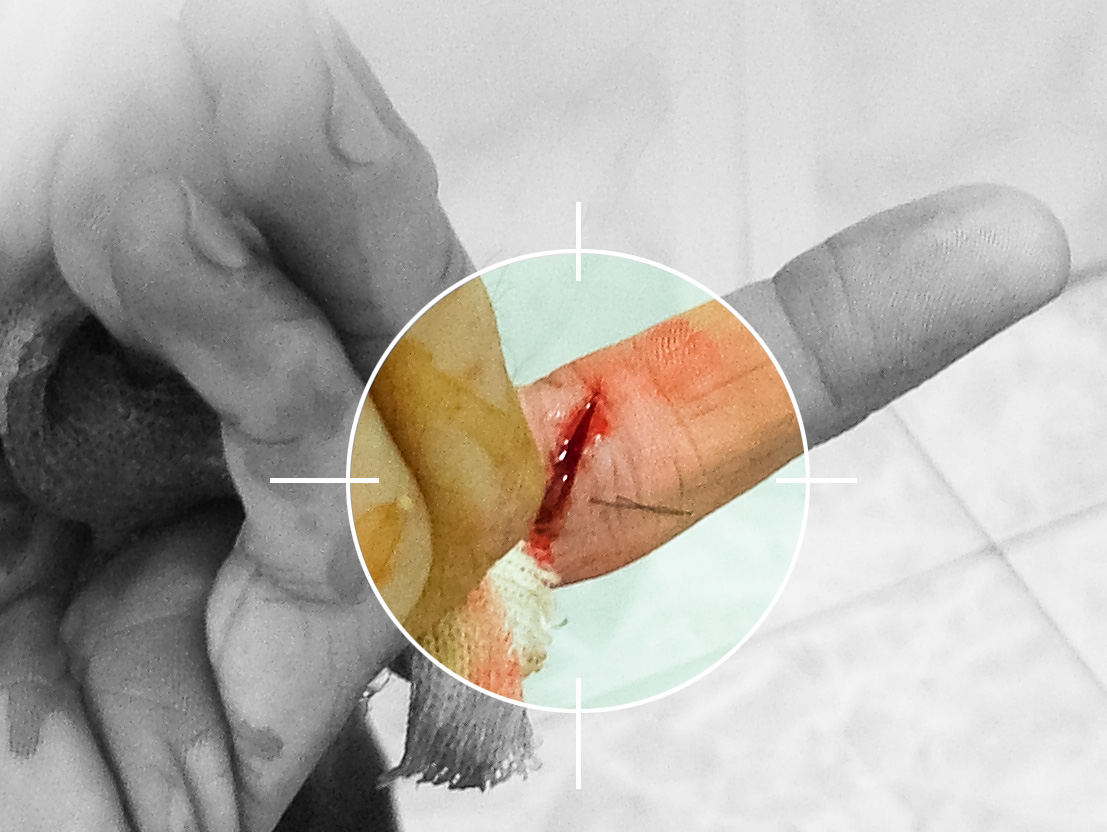 Wound Closure Kit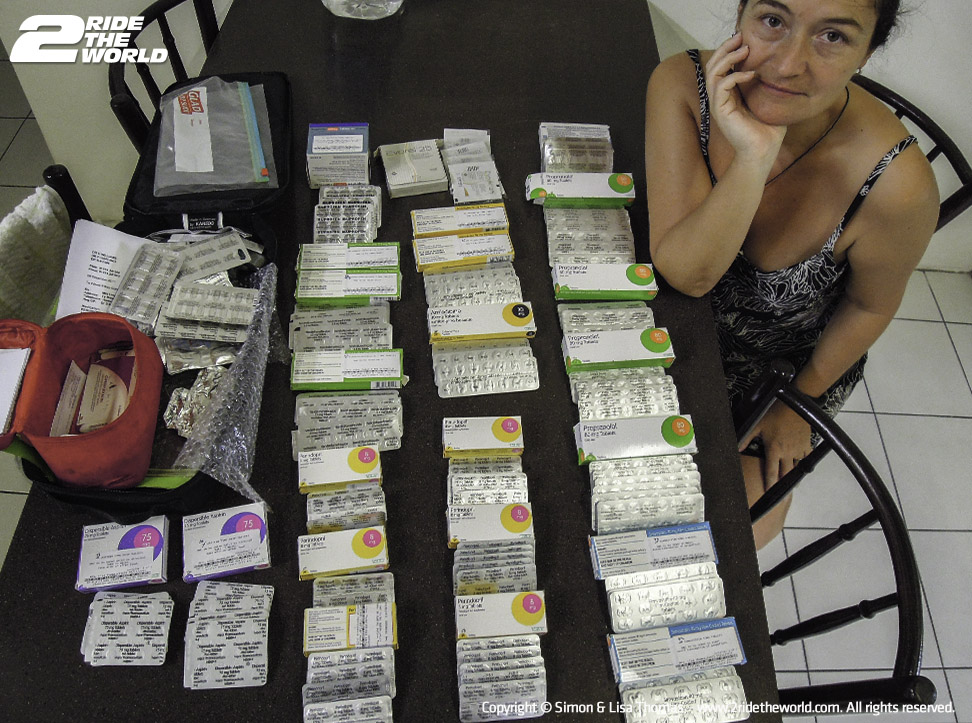






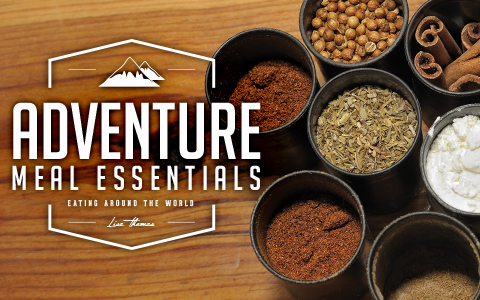
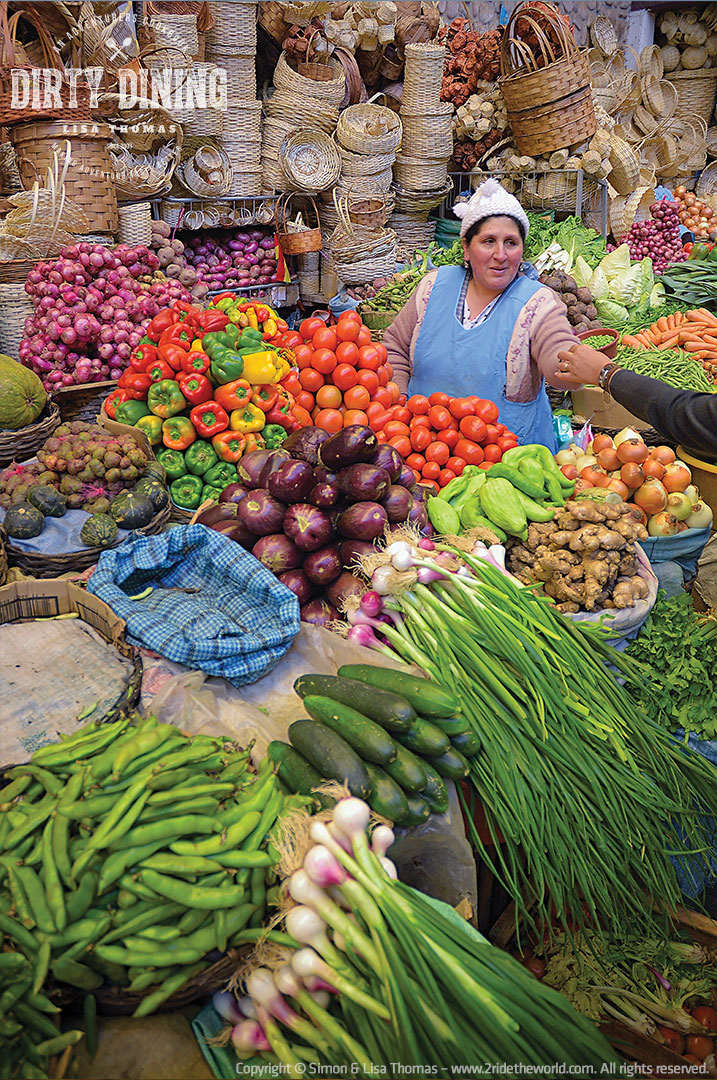
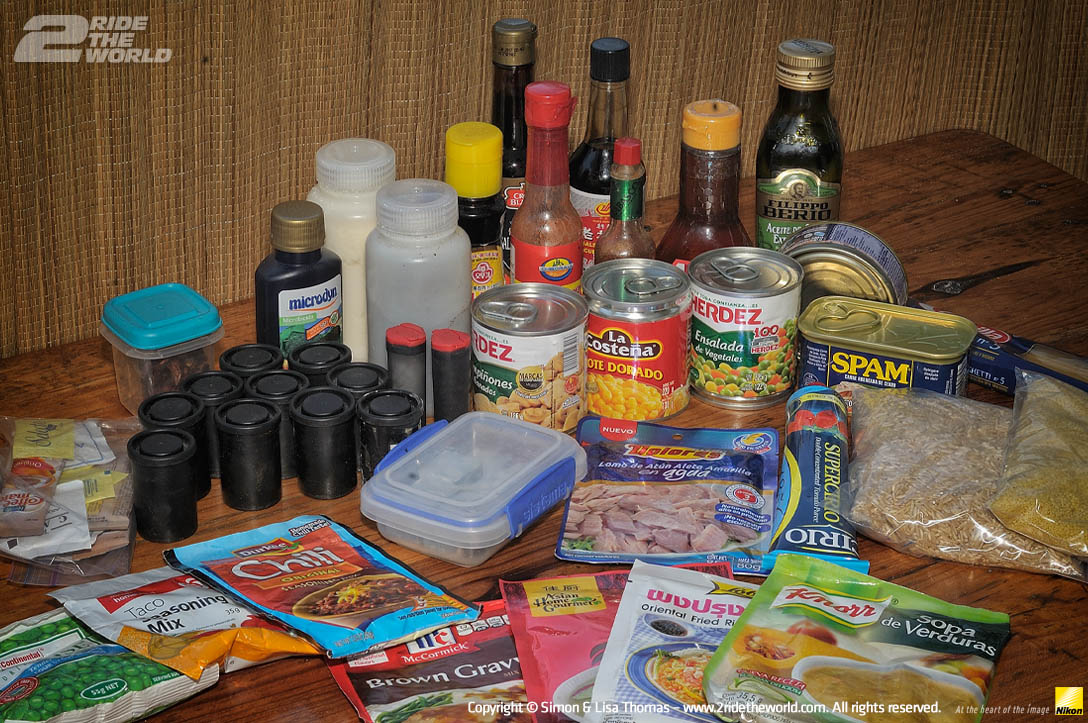
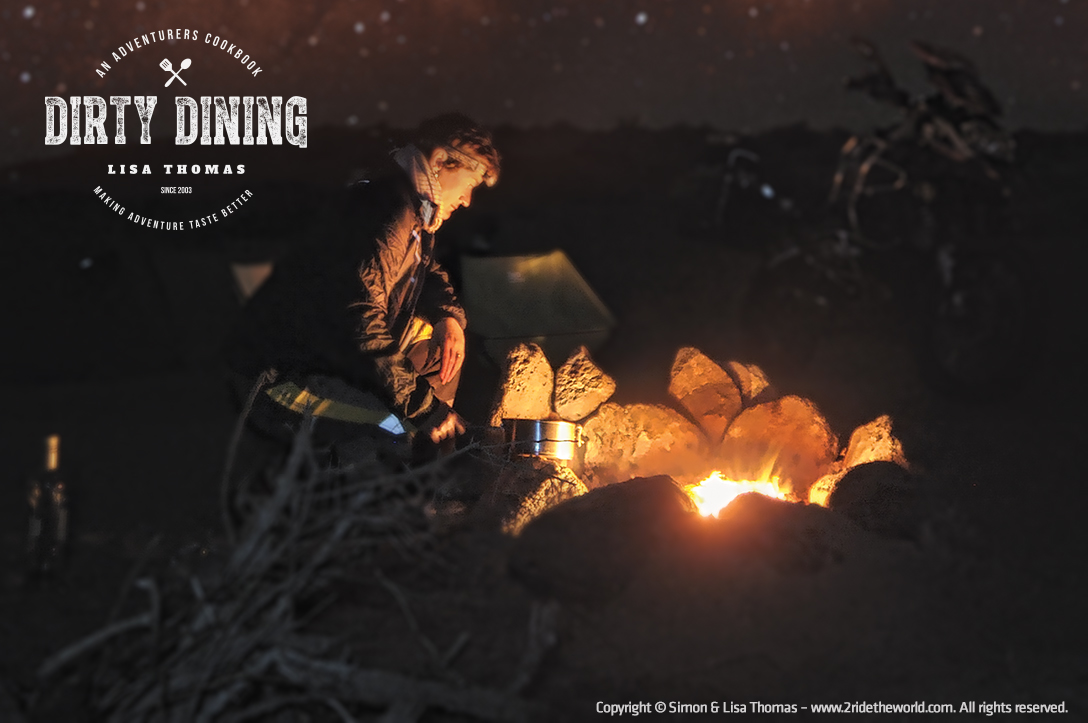
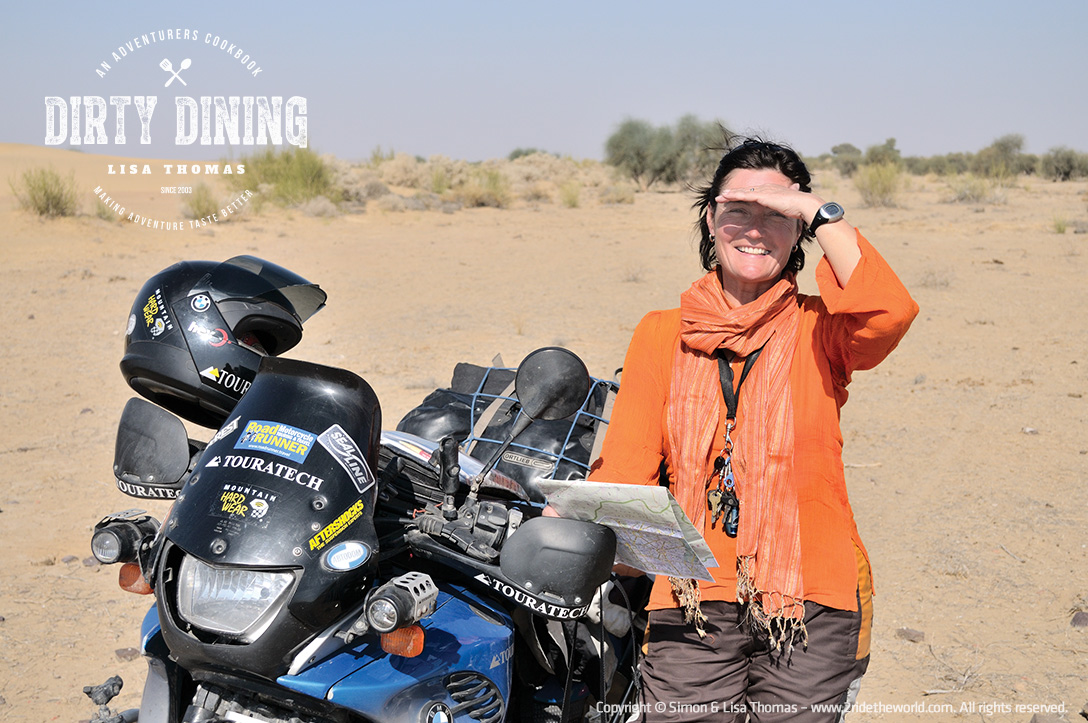 After more than fourteen years on the road I still enjoy the challenges that feeding both of us entails. I love to wander through local markets and marvel at the exotic, intoxicating and often-unrecognizable ingredients. I adore the smell of the spices in the markets of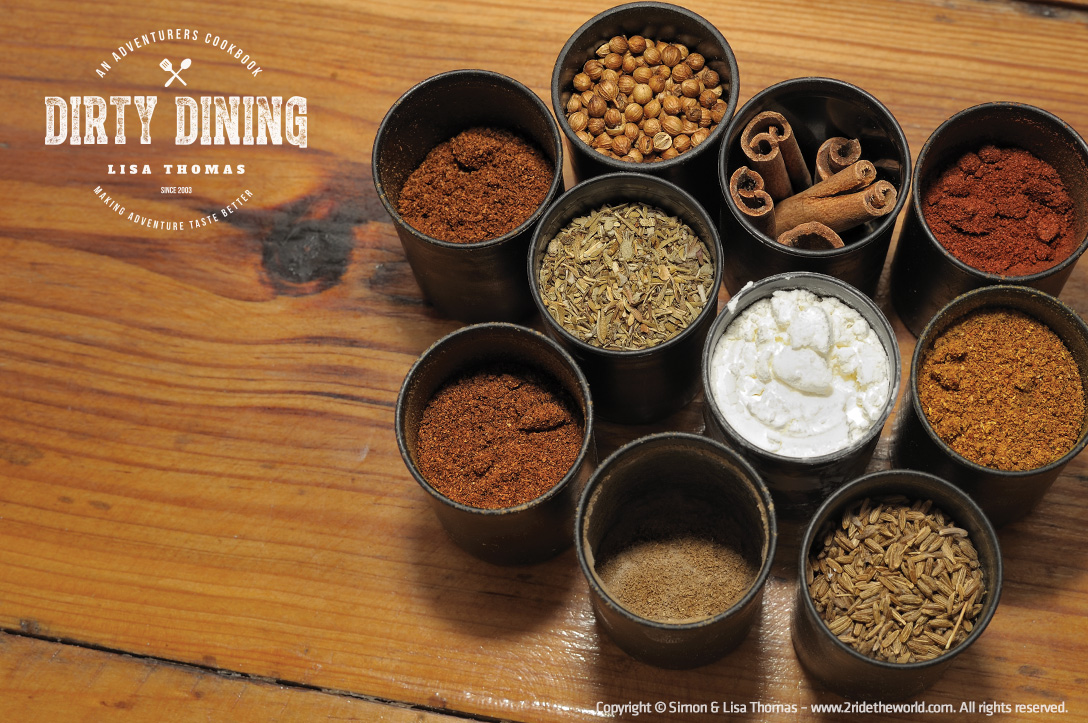

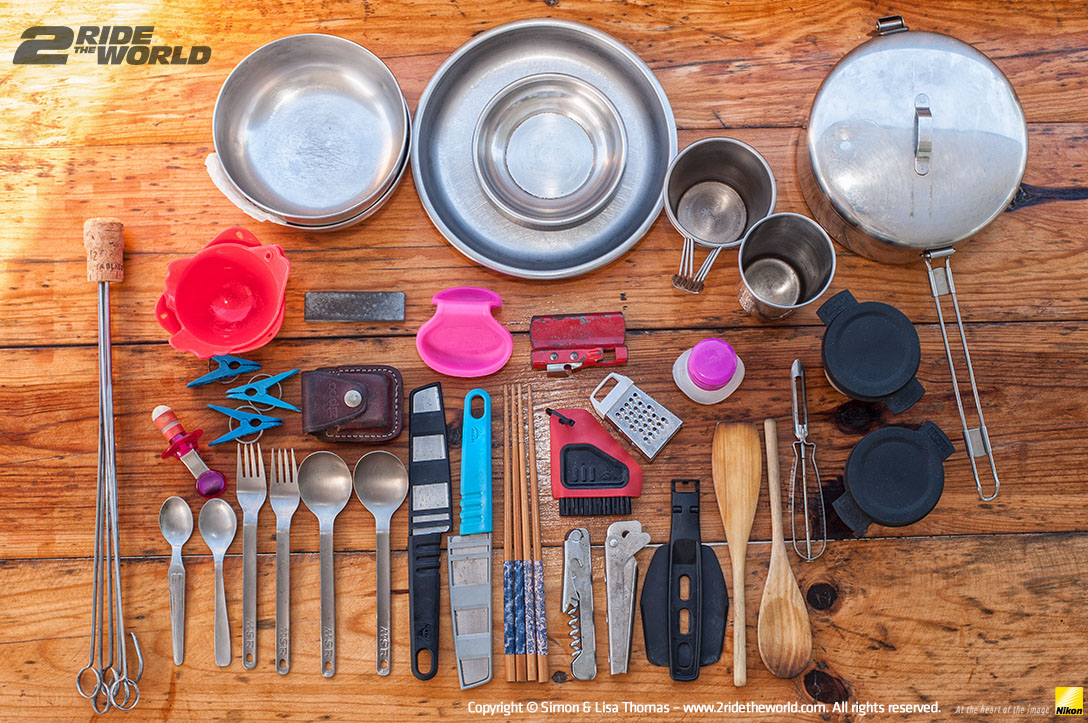
 Cooking Gear